"My friends, these realities are called sacraments because in them one thing is seen, while another is grasped. What is seen is a mere physical likeness; what is grasped bears spiritual fruit."
(St. Augustine, 5th Century, Sermon 272)
What are Sacraments?
God’s grace comes first. We do not earn it or achieve it. Grace is God reaching towards us in love, drawing us into the life of Jesus Christ and helping us become the people we were created to be.
A sacrament is a special action through which God makes that grace visible and gives it to us. God uses ordinary parts of creation, including water, bread, wine and oil, to communicate his love and help us receive his gifts.
Every sacrament has two parts:
- an outward and visible sign; and
- an inward and spiritual grace.
The visible sign is something we can see, touch, receive or share. The spiritual grace is what God is doing through it.
Christ gave his Church two great sacraments of the Gospel: Baptism and Holy Communion. Through them we are joined to Christ, welcomed into his people and nourished in the Christian life.
The Church also recognises Confirmation, Ordination, Marriage, Confession and Anointing of the Sick as sacramental actions. Through them, God’s grace meets us in particular callings, promises, needs and moments of life.

"Go therefore and make disciples of all nations, baptizing them in the name of the Father and of the Son and of the Holy Spirit"
(Matthew 28:19)
Baptism ↑
Baptism is the beginning of our life in Christ. It is the sacrament through which we are joined to Jesus and welcomed into God’s family, the Church.
The outward and visible sign of Baptism is water. The person is baptised in the name of the Father, and of the Son, and of the Holy Spirit.
The inward and spiritual grace is union with Christ in his death and resurrection, the forgiveness of sins and new birth through the Holy Spirit.
In Baptism, we are christened, which means that we are made Christ’s. God calls us by name and gives us a place among his people. We enter the Christian story and begin a lifelong journey of faith, worship, growth and service.
Baptism is not a reward for having everything worked out. It is God’s gift of belonging and new life. Grace comes first. We spend the rest of our lives learning to inhabit what God has given us.
For more information on arranging a Baptism
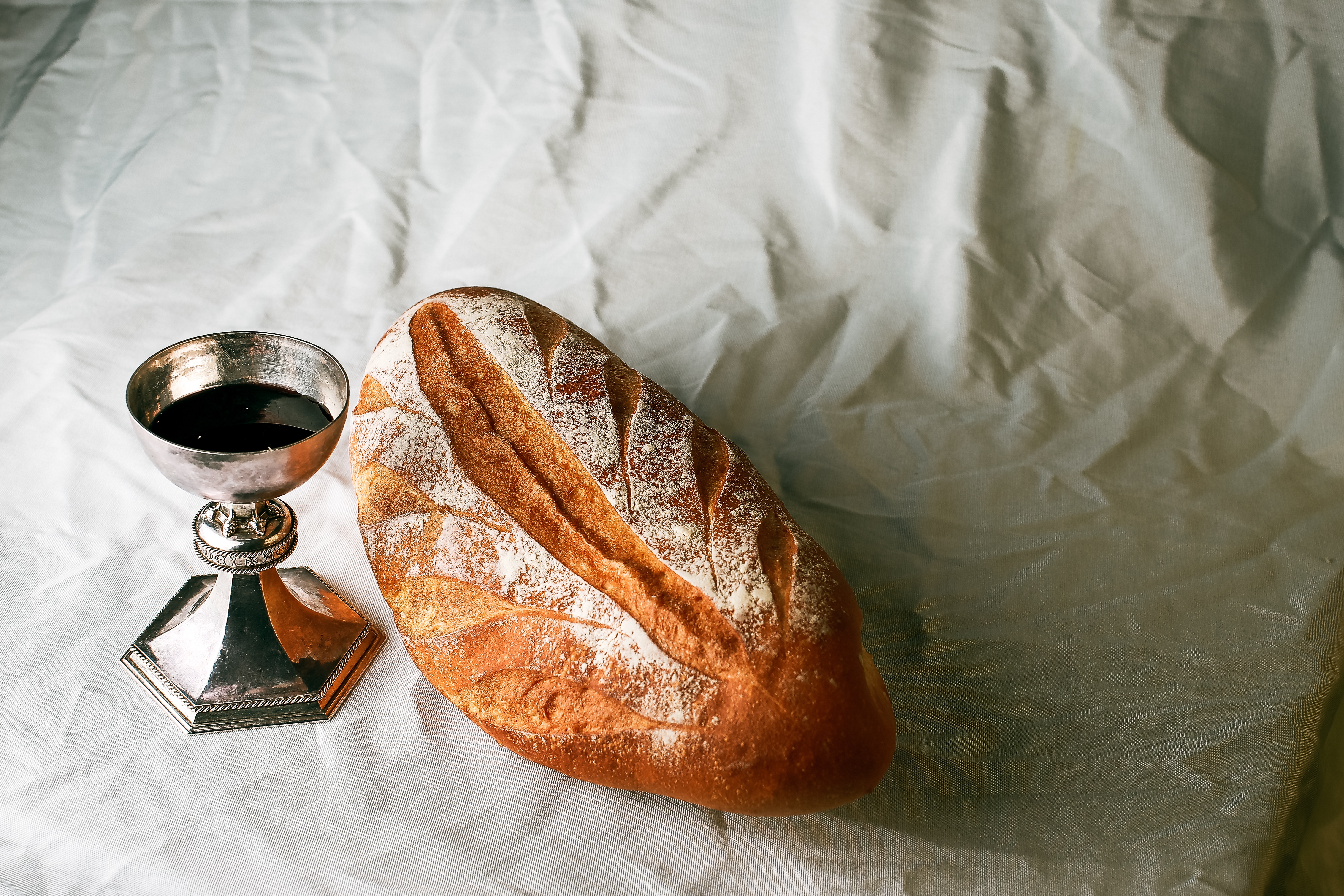
"The Lord Jesus, on the night when he was betrayed, took bread, and when he had given thanks, he broke it and said, ‘This is my body, which is for you. Do this in remembrance of me.’"
(1 Corinthians 11:23-25)
Holy Communion ↑
Holy Communion is the meal Jesus gave to his Church. In it, we remember his life, death and resurrection, give thanks for his saving love and receive the life of Christ himself.
The outward and visible signs are bread and wine, given and received as Jesus commanded.
The inward and spiritual gift is the Body and Blood of Christ, truly given by him and received by faith. Jesus is genuinely and spiritually present. We do not try to explain exactly how this happens. We trust his promise and receive his gift.
Holy Communion is more than remembering something that happened long ago. The risen Jesus meets us and draws us more deeply into his life. We receive his presence, love, forgiveness and strength. We are united with him and with the whole Church, and nourished for eternal life.
Holy Communion is also called the Eucharist, a word meaning thanksgiving, because we give thanks for all that God has done. It is also called the Lord’s Supper, because it is the meal Jesus shares with his people.
Whenever we celebrate Holy Communion, we proclaim Christ’s death, rejoice in his resurrection and look forward to his coming again.

Receiving Holy Communion
We come to Holy Communion trusting in God’s mercy rather than our own goodness.
Before receiving, we are invited to:
- trust in God’s grace through Jesus Christ;
- remember Christ’s death and resurrection with thanksgiving;
- turn away from sin and desire a new life;
- seek peace and reconciliation with others; and
- be baptised.
Children normally receive after suitable preparation. Adults who have not been confirmed are encouraged to explore Confirmation as part of their continuing journey of faith.
Baptised visitors from other Christian traditions who normally receive Communion in their own church are welcome to receive with us.
No one comes because they are perfect. We come because we need grace. We open our hands and receive what we cannot give ourselves: the life of Christ, given for us.
Grace Made Visible
The sacraments show us something at the heart of Christianity. God does not abandon the physical world or ask us to escape from it. God works through creation to heal and restore it.
Water washes and gives life. Bread nourishes. Wine is shared in fellowship and celebration. Oil brings healing and sets people apart for a particular calling. Ordinary things become signs through which God draws us into his extraordinary grace.
In Baptism, we are joined to Christ and welcomed into his people.
In Holy Communion, we receive the life of Christ and are formed together as his body.
The sacraments do not stand apart from the Christian journey. They help us inhabit it. Through them, God takes what is visible and familiar and uses it to bring us more deeply into the story of Jesus.
Grace comes first. We receive it together. Then, strengthened by Christ and filled with the Holy Spirit, we are sent to live that grace in the world.
For more information on our service times